
Common Questions About Placenta Encapsulation
Placenta encapsulation has become an increasingly popular option for families looking for holistic support during the postpartum period. While many people hear about placenta encapsulation from friends, doulas, or online parenting communities, it’s common to still have questions about how the process works and what to expect.
Below are some of the most common questions families ask when considering placenta encapsulation services as part of their postpartum recovery.
What Is Placenta Encapsulation?
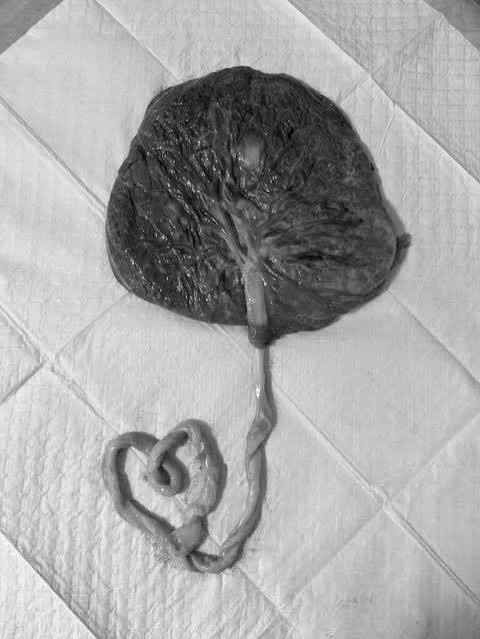
Placenta encapsulation is the process of preparing the placenta after birth and placing it into capsules that can be taken during the postpartum recovery period.
During the placenta encapsulation process, the placenta is carefully cleaned, prepared, dehydrated, and ground into a fine powder before being placed into capsules. Many families choose placenta encapsulation as part of their holistic postpartum wellness routine.
A trained placenta encapsulation specialist follows specific preparation methods and handling practices to ensure the placenta is processed safely and respectfully.
What Are the Potential Benefits of Placenta Encapsulation?
Many parents explore placenta encapsulation benefits because they hope it may support postpartum recovery. While experiences can vary from person to person, commonly reported benefits include:
Supporting hormonal balance after birth Replenishing iron and nutrients lost during labor Supporting energy levels during postpartum recovery Helping support milk production for breastfeeding Supporting emotional well-being during the postpartum transition
While research on placenta encapsulation is still evolving, many families find this practice to be a meaningful part of their postpartum care.
Is Placenta Encapsulation Safe?
Safety is one of the most important aspects of placenta encapsulation services. A trained placenta encapsulation specialist follows careful preparation guidelines to ensure the placenta is handled and processed properly.
This includes maintaining sanitary preparation conditions, using food-safe equipment, and following safe storage and handling procedures from the time the placenta is received until the capsules are prepared.
Working with a trained professional helps ensure that placenta encapsulation is handled responsibly and with attention to safety standards.
When Should I Arrange Placenta Encapsulation Services?
Most families reach out to schedule placenta encapsulation services during the second or third trimester. Planning ahead allows time to review preparation instructions and ensures the specialist is available around the estimated due date.
After birth, the placenta is typically picked up within a specific timeframe to maintain proper storage and preparation standards.
Can I Keep My Placenta After a Hospital Birth?
In many cases, hospitals allow families to keep their placenta after birth if they request it ahead of time. The placenta is usually placed in a medical container and kept chilled until it can be transported for preparation.
Your placenta encapsulation specialist will provide clear instructions on how the placenta should be stored and handled before pickup to ensure proper preparation.
A Meaningful Part of Postpartum Recovery
For many families, placenta encapsulation is a way to support their body during the transition into the postpartum period. Every birth experience is unique, and families choose the recovery practices that feel right for them.
At One Spirit Healing, placenta encapsulation services are offered with careful attention to preparation standards, safety, and respect for the meaningful role the placenta plays in pregnancy and birth.
If you’re curious about placenta encapsulation services or would like to learn more about the process, you can visit the One Spirit Healing website for additional information.
 One Spirit Healing