
Reiki is often described in abstract or unfamiliar terms, which can make it feel hard to picture if you’ve never experienced it before. Rather than focusing on what Reiki is supposed to be, it can be more helpful to talk about how a session may feel — and to understand that each experience is unique.
Reiki is a gentle practice, and sessions are approached with care, consent, and respect for individual comfort.
Before the Session Begins
A Reiki session typically begins with a brief conversation. This is a time to ask questions, share intentions, or simply settle into the space. There is no expectation to explain everything you’re feeling or to have a specific goal.
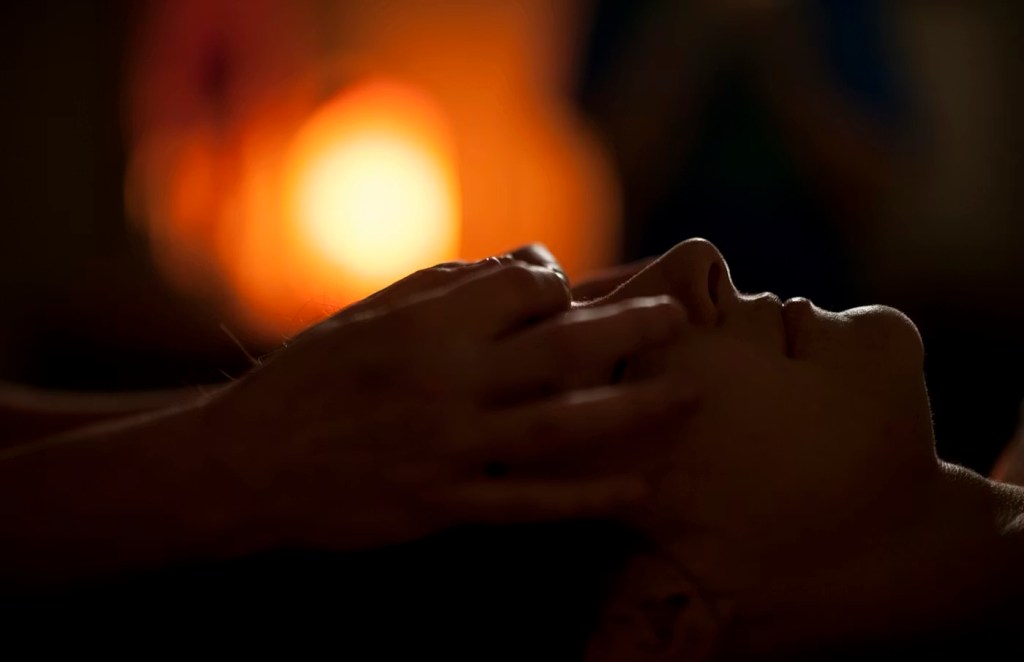
Comfort is prioritized. Sessions may be done with light touch or no touch at all, depending on preference. You remain fully clothed and supported throughout the session.
During the Session
Many people describe a Reiki session as deeply calming. You may notice sensations such as warmth, gentle tingling, or a sense of relaxation. Others experience emotional release, mental quiet, or simply rest.
Some people feel very aware of sensations; others feel very little at all. All of these experiences are normal. Reiki does not require effort or belief — it is a receptive practice, allowing the body and nervous system to settle in their own way.
There is no “right” way to feel during a session.
A Sense of Grounding and Rest
One of the most common reflections after a Reiki session is a feeling of grounding. This can show up as mental clarity, emotional ease, or a sense of being more present in the body.
For some, the effects feel subtle and gradual. For others, the sense of rest or balance is more immediate. The experience often continues to unfold after the session ends, as the body integrates the work.
Honoring Individual Experience
Reiki sessions are not about achieving a specific outcome. They are about creating space — space for rest, regulation, and gentle support.
Each session is guided by what the individual brings into the space that day. Needs may change from one session to the next, and the approach adapts accordingly.
A Supportive, Complementary Practice
Reiki is often chosen as part of a broader support system. It can be experienced on its own or alongside other forms of care, offering a quiet, non-invasive way to support balance and relaxation.
Approached with professionalism and respect, Reiki becomes less about expectation and more about presence — meeting people where they are and allowing the experience to unfold naturally.
If you’re exploring what kind of support might feel right for you, you’re always welcome to reach out with questions.
 One Spirit Healing